

Introduction
Artificial Intelligence has become one of those phrases we hear almost every day—whether in the classroom, on social media, or in conversations about the future of work. For my generation, AI isn’t a distant concept we read about in textbooks. It’s something we interact with daily, often without even realizing it.
The Magic of AI
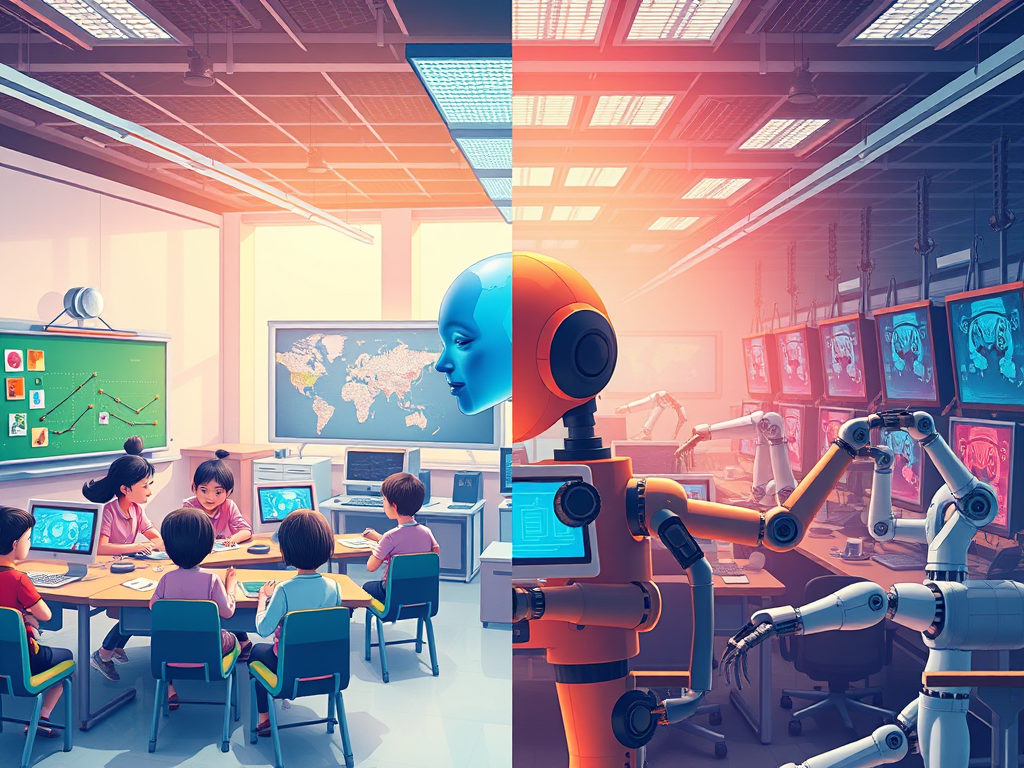
On one hand, AI feels like magic. It can write essays, suggest songs that fit my mood, even help solve problems faster than I could on my own. For students like me, it can act as a tutor, a brainstorming partner, and sometimes even a source of motivation.
The possibilities for creativity and innovation are enormous. Imagine being able to design a product, build an app, or even compose music with the assistance of a digital partner that never gets tired.
The Concerns We Can’t Ignore
But I don’t see AI as purely a blessing. There’s also a side of it that worries me. What happens when people stop learning to think deeply because a machine can do it for them? What happens to jobs when companies realize algorithms can work faster and cheaper than humans? And most importantly, who controls these systems—and ensures they’re being used responsibly?
My Generation’s Responsibility
For me, AI is both inspiring and unsettling. It’s a mirror of human potential, but also a reminder of how much responsibility we carry when we build powerful tools.
The way I see it, the future of AI isn’t about machines replacing us—it’s about how well we can balance trust in technology with trust in ourselves. If my generation learns to use AI wisely, we might not just adapt to the future—we might help shape it.
Leave a Reply